Workflows
Stop Paying AI To Re-Read The Same Context
Context management is not neatness. It is token control.
Use this when
you want to make the work cheaper.
Learn how context management reduces AI token usage and which workflow strategies preserve useful context without resending the whole project.
Key takeaways
- Context management saves tokens because the model stops re-reading stale state, repeated files, and old decisions.
- The goal is not less context. The goal is sharper context: stable, active, evidence, and archive.
- Prompt caching helps when the repeated prefix is stable, but it does not fix bad context design.
- A good handoff is cheaper than making the next session rediscover the whole project.
Why Context Turns Into Token Spend
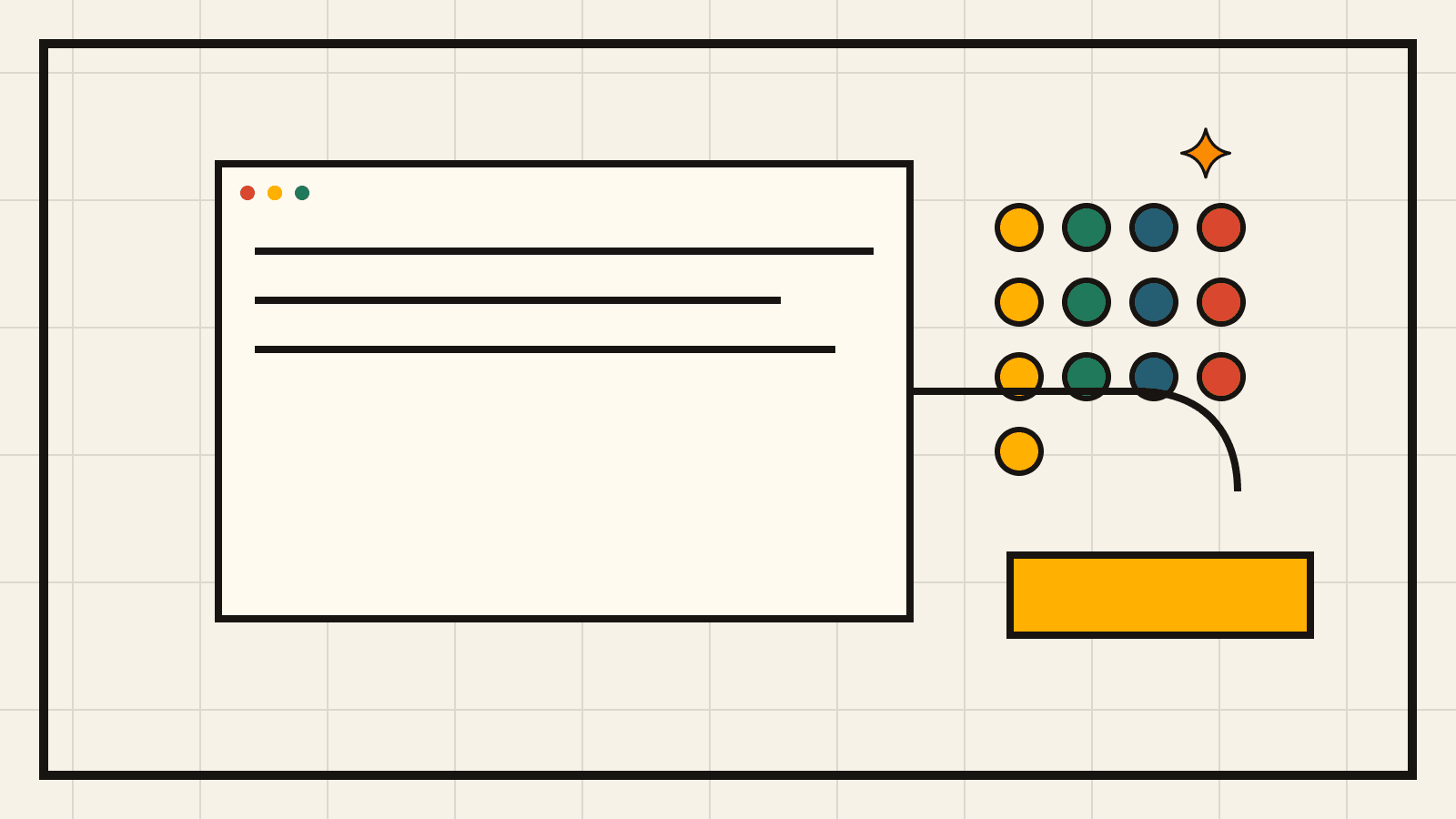
AI models do not get context for free. Text is broken into tokens, and the tokens you send become part of the work the model has to process.
That means context has a real cost. The old chat history, the repeated project brief, the same pasted files, the stale instructions, the logs you already summarized, all of it goes through the meter again unless the workflow is designed to avoid it.
The simple version is this: context management saves tokens by making the model read what matters now, not everything that ever mattered.
The expensive mistake is reloading the whole project
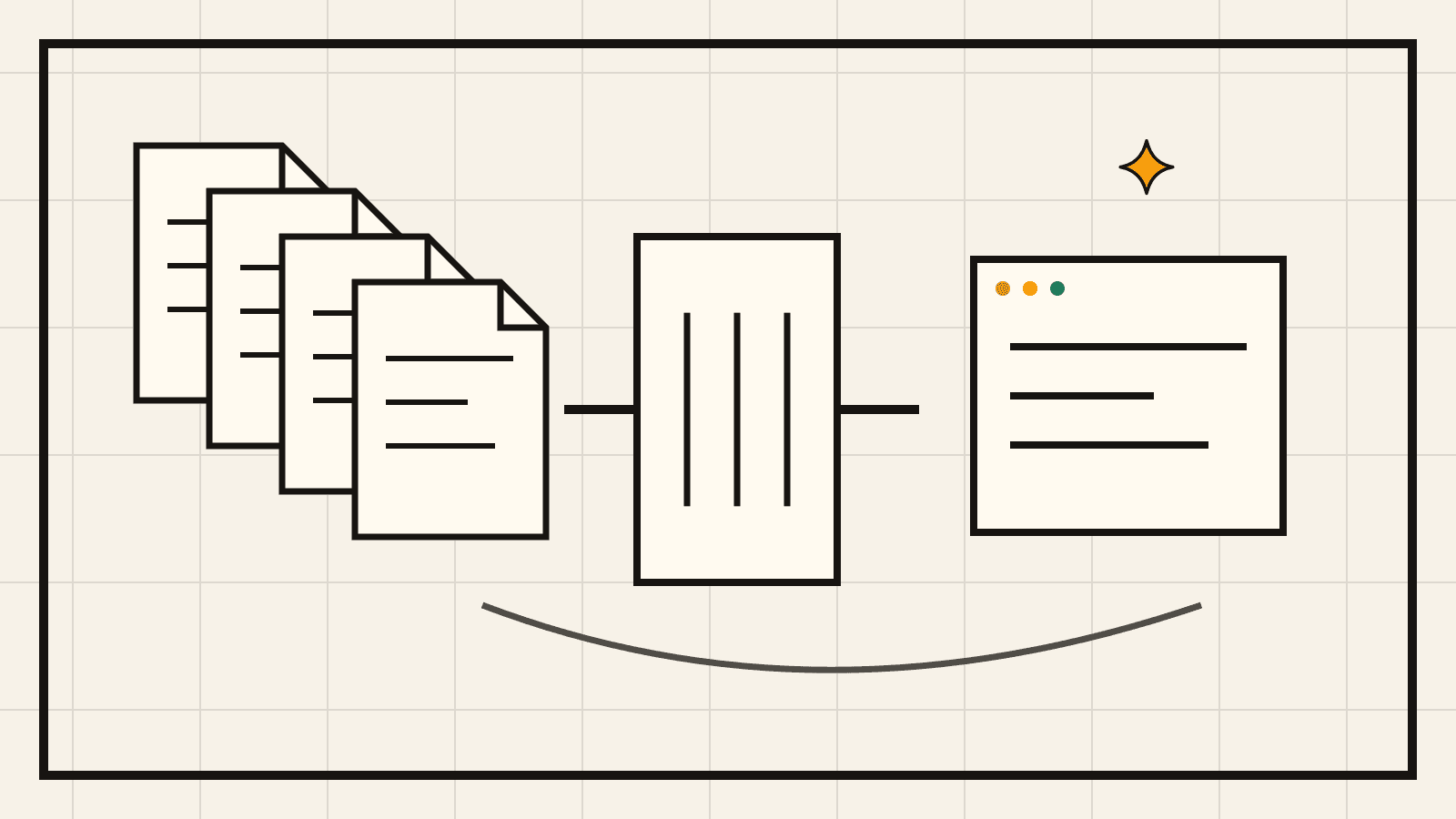
The common trap is treating every session like a new employee onboarding. You paste the same background. You attach the same files. You explain the same constraints. You describe the same half-finished work.
That feels safe because the model sounds more informed. It is often wasteful. The model does not need the entire museum. It needs the current exhibit, the map, and the reason this room matters.
This is how teams burn the sweet, precious tokens. They pay the model to reread context that should have been turned into state.
Use a context budget
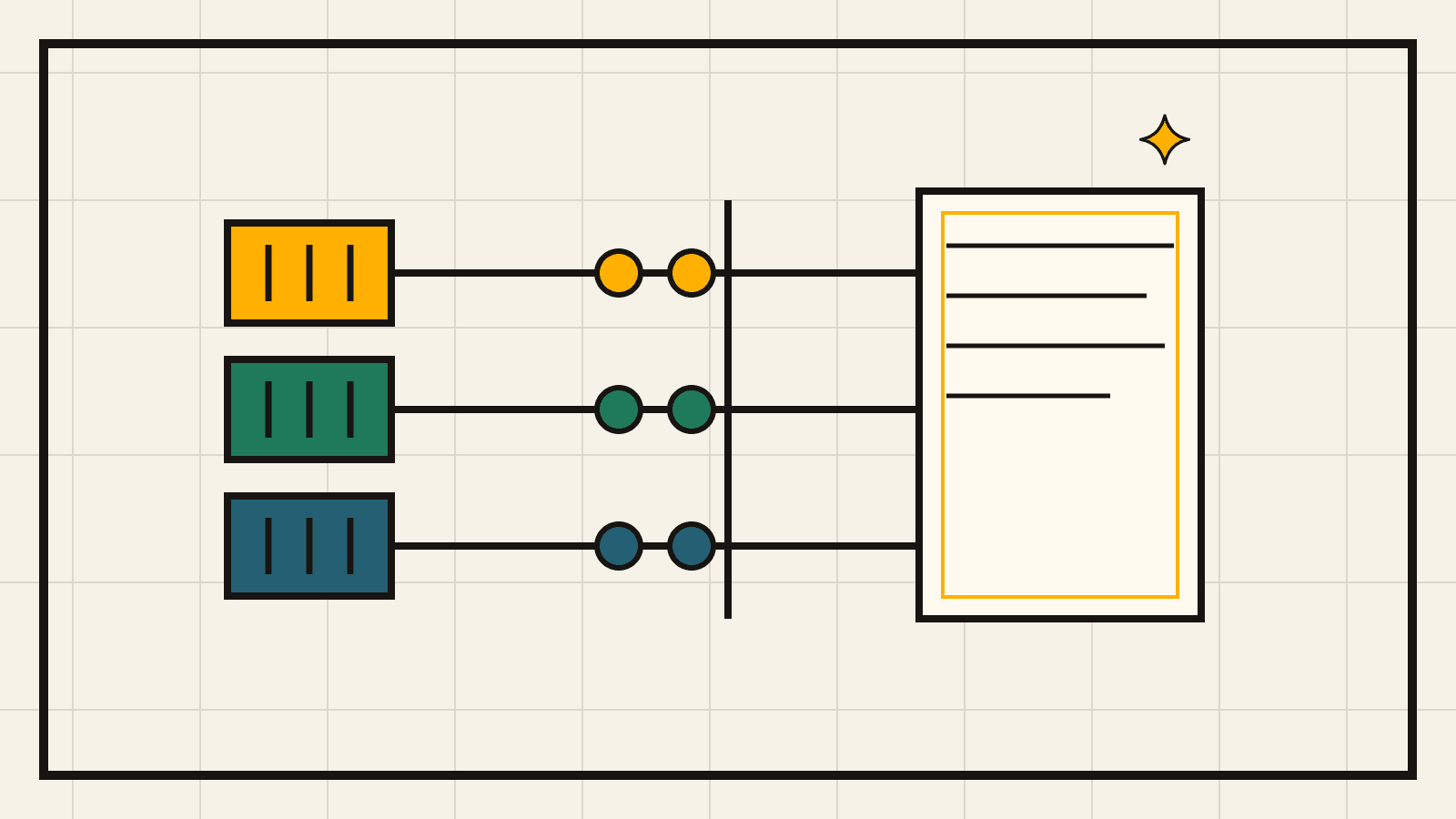
A context budget is a routing rule for information. It tells you what belongs in the prompt, what belongs in a durable file, what should be retrieved only when needed, and what should stay out.
I use four buckets: stable context, active context, evidence context, and archive context. The buckets keep the workflow from treating every piece of information as equally urgent.
The point is not to starve the model. The point is to stop feeding it leftovers.
| Option | Best For | Avoid When | What Goes Wrong |
|---|---|---|---|
| Stable context | Project rules, style, architecture notes, repo conventions, and repeated instructions. | It changes every turn or gets mixed with noisy task details. | The stable prefix stops being stable, so every session pays to rebuild the same grounding. |
| Active context | The current task, current files, current constraints, and the decision needed now. | It includes old branches, old debates, or unrelated backlog. | The model optimizes for stale work because the prompt makes old state look current. |
| Evidence context | Diffs, logs, tests, screenshots, errors, and source snippets used to verify work. | It is dumped in raw form when a summary or narrow excerpt would do. | The model spends attention parsing noise instead of checking the decision. |
| Archive context | Old decisions, prior attempts, long histories, and background that may matter later. | It is pasted into every session out of anxiety. | The archive becomes a tax on every prompt instead of a library the workflow can query. |
The strategies that save tokens
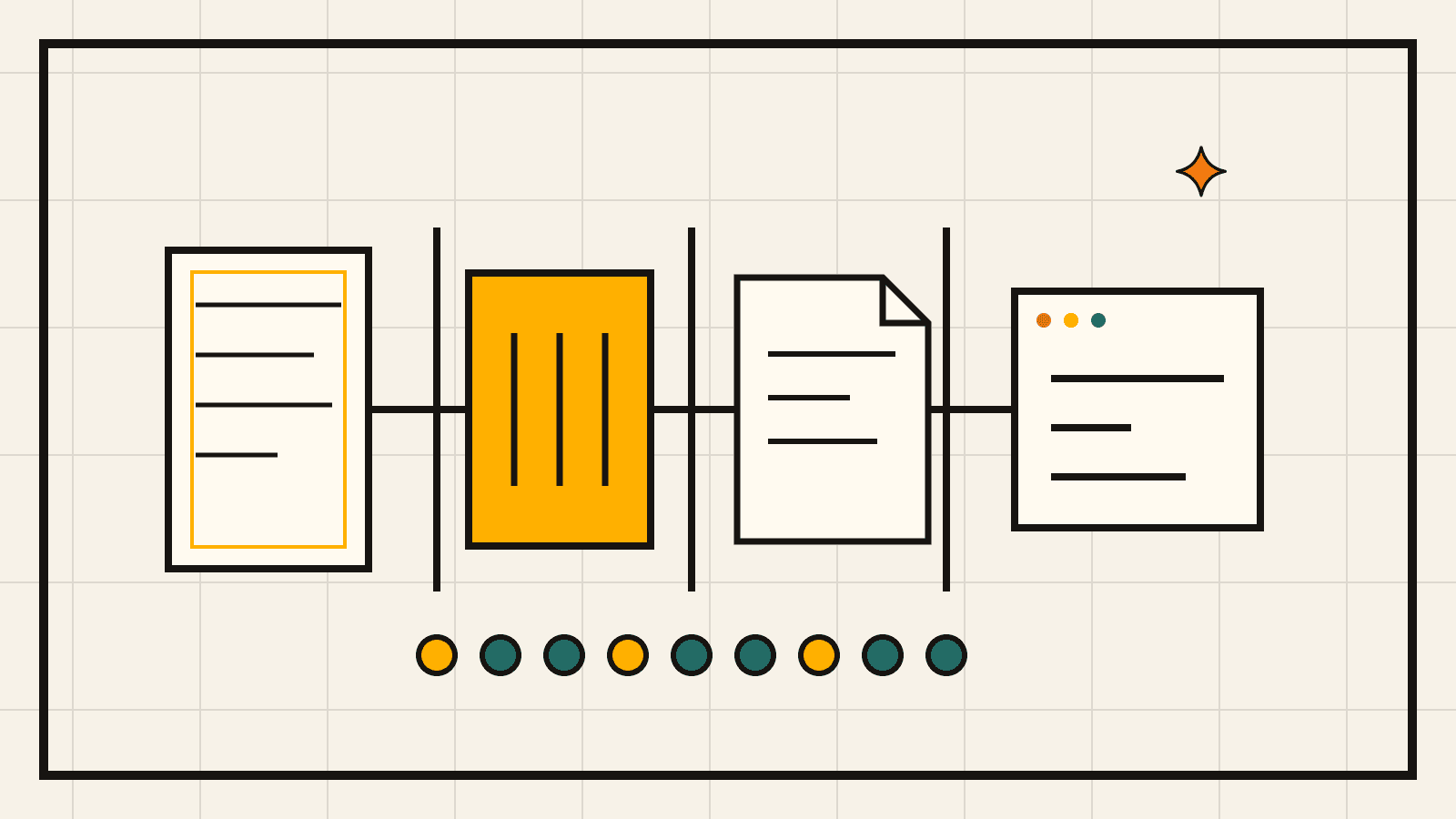
The practical strategy is to move durable knowledge out of the chat and into the system. A chat transcript is not a memory system. It is a very expensive scroll.
Good context management creates small, current packets of state. The model gets the task brief, the relevant constraints, the evidence it needs, and a clear decision to make.
The work becomes cheaper because the next session does not have to rediscover the project from scratch.
Where prompt caching helps and where it lies
Prompt caching is useful when repeated context is stable. If the same prefix appears across requests, providers can reuse part of the work instead of processing everything from zero.
But caching is not a substitute for context design. If you keep changing the prefix, mixing durable rules with volatile task details, or stuffing raw history into every request, the cache has less to work with.
The cache rewards discipline. Stable context first. Dynamic context later. Small task packets. Clear evidence. No ritual dumping.
How WarpOS uses context as state
WarpOS is my local agentic operating-system project. One of its core ideas is that the system should remember for the model.
Handoffs, ledgers, trackers, review notes, and recovery records are not paperwork. They are token controls. They keep durable state outside the prompt until the model actually needs it.
That is the real context strategy. Do not make the model carry the whole project in its head. Build a workflow where the model can ask for the right state at the right time.
FAQ
How does context management save tokens?
It reduces repeated input. Instead of sending old instructions, files, logs, and chat history every time, the workflow sends stable rules, current task state, and only the evidence needed for the decision.
Does prompt caching replace context management?
No. Prompt caching helps when repeated context is stable, but it does not decide what context belongs in the request. Bad context design can still waste tokens even with caching.
What should I remove from context first?
Remove stale chat history, duplicated files, old debates, raw logs that have already been summarized, and project background that is not needed for the current task.
Should I summarize everything?
No. Summarize decisions, constraints, failures, and next steps. Do not summarize noise just to preserve it. The goal is useful state, not a smaller pile of clutter.
What is a context budget?
A context budget is a rule for what gets sent to the model, what gets stored as durable state, what gets retrieved only when needed, and what stays out of the prompt.
Conclusion
Context management is cost control. It is also quality control.
When the model gets the right state, it spends less time rereading, less time guessing, and more time doing the part you actually wanted judgment for.
Sources
Next move
Want me to audit your AI workflow?
Bring the messy agentic workflow, adoption bottleneck, or product process. I will help map what should happen, where it breaks, and what the system needs to record or review.
Talk about an AI workflowAbout the author

Related articles
Keep going
The Best AI Model Should Not Do All The Work
Premium models should plan, decide, review, and escalate. Cheaper workers should handle bounded tasks that can be checked.
GPT-5.6 Sol vs Terra vs Luna: Give Each Model A Job
GPT-5.6 is a model-family decision, not a leaderboard. Sol, Terra, and Luna should own different jobs inside a serious AI workflow.
AI Coding Feels Magical Until The Project Gets Serious
AI coding breaks when the work needs memory, handoffs, evidence, review, and recovery. That is an operating-system problem.