Run better AI workflows
GPT-5.6 Sol vs Terra vs Luna: Give Each Model A Job
The choice is not which model is smartest. It is which work deserves Sol, which work belongs to Terra, and which work should be cheap enough to throw away.
TL;DR
- Use Sol for judgment: architecture, ambiguous debugging, risk calls, and final review.
- Use Terra for bounded production work where the output matters and the review path is clear.
- Use Luna for cheap, fast, repeatable work that can be checked or thrown away.
- The expensive mistake is routing by model prestige instead of task risk.
01Start With The Job, Not The Model
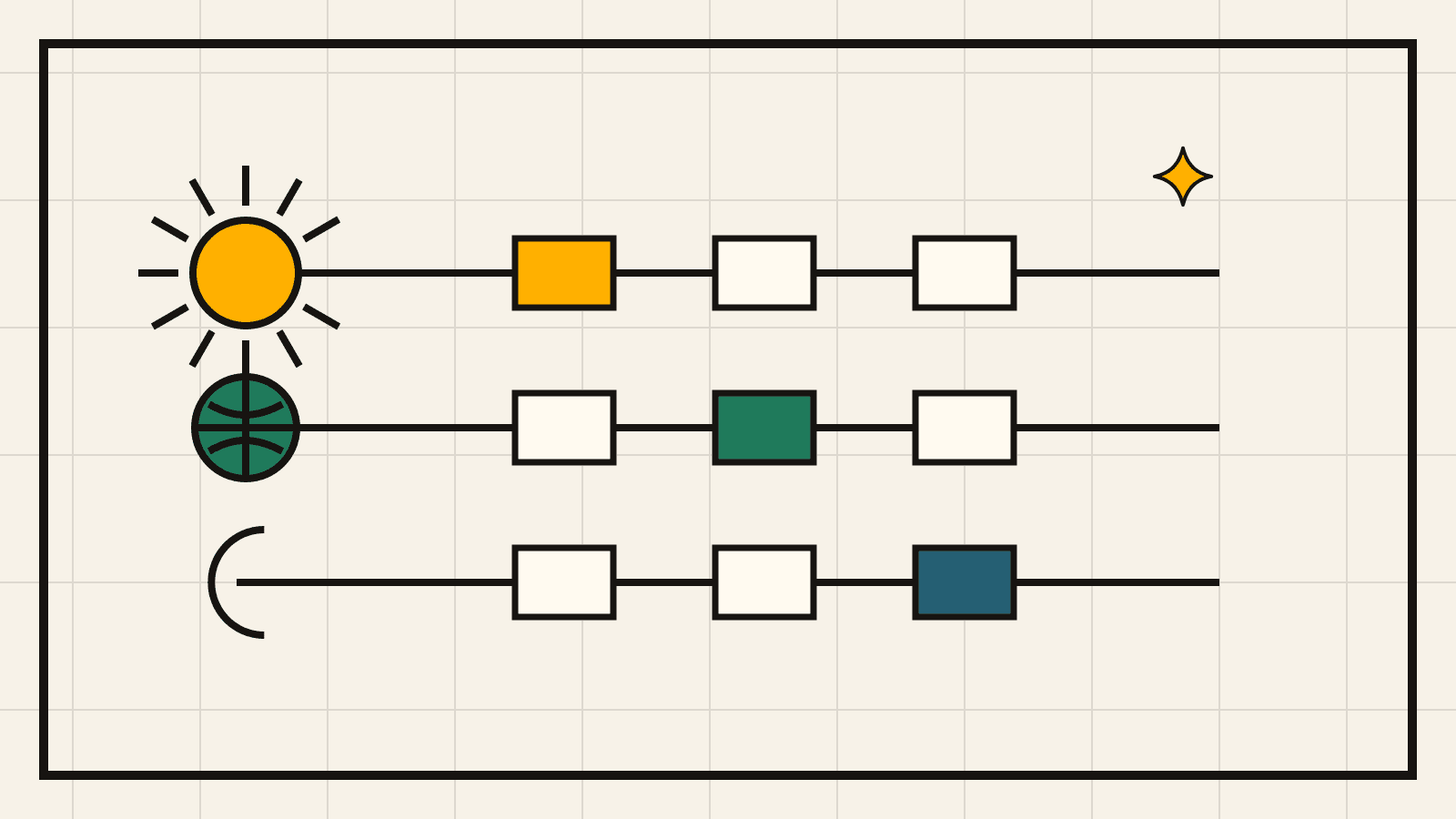
OpenAI describes GPT-5.6 as a family: Sol as the flagship model, Terra as the lower-cost balanced model, and Luna as the fastest and lowest-cost member.
That should change how people test it. The useful question is not which model is smartest. The useful question is which work each model should own.
A serious workflow routes by task risk. Sol should spend attention on judgment. Terra should handle bounded work where quality still matters. Luna should handle cheap loops where the output is easy to inspect, retry, or discard.
02The expensive mistake is status-based routing
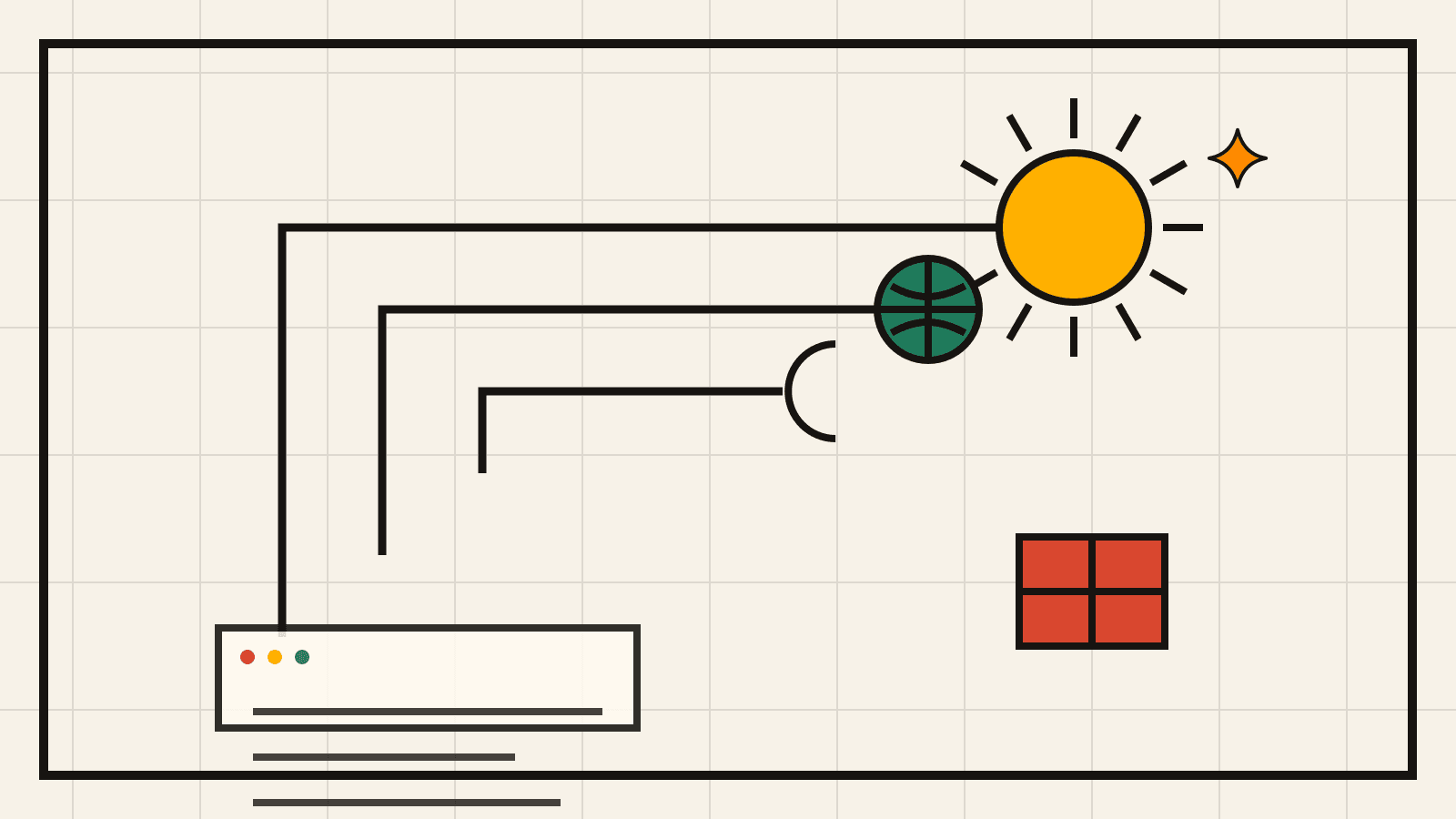
The lazy routing rule is status-based: use the best model for everything important, then throw the cheap model at everything annoying. That creates two different failures.
First, Sol gets used like an overqualified intern. It writes small edits, sweeps files, summarizes logs, and burns the same attention it should be using for architecture and review.
Second, Terra or Luna gets asked to make decisions they should not own. The task feels cheaper at the model layer, but the cost returns as review debt, rework, and uncertainty.
Subagents can make this worse if the workflow has no ownership model. Parallel work looks productive until nobody can explain which agent made the decision, what evidence it used, and who checked it.
03Use task risk, not model hype
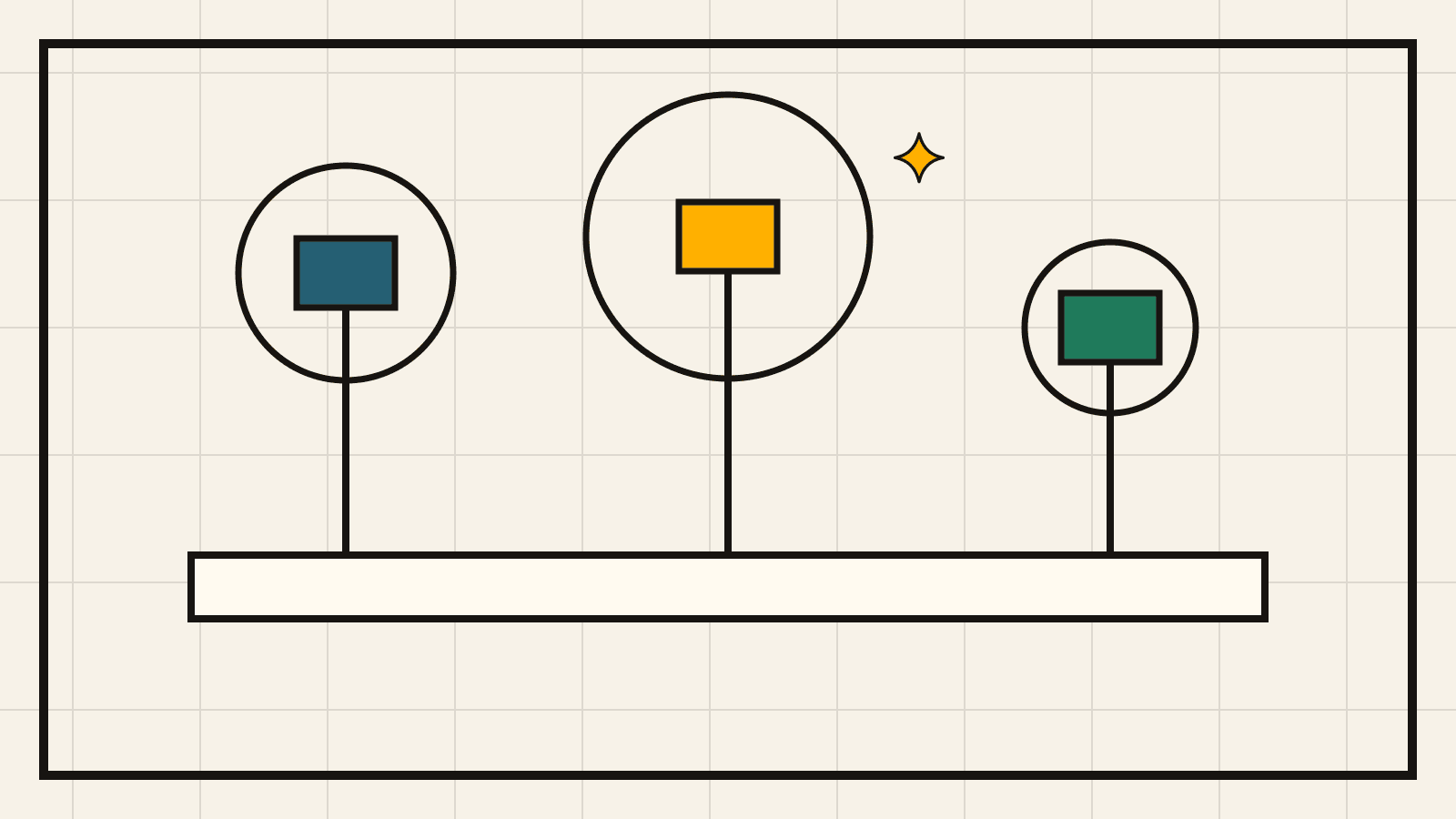
A model routing decision should start with risk. If a wrong answer is easy to detect, cheap to retry, and unlikely to damage the project, it does not need the flagship model.
If a wrong answer changes architecture, hides a security issue, creates customer-visible damage, or sends the team down the wrong path, that work belongs near Sol and review.
The decision rule is simple: route by the cost of being wrong, not by how impressive the model name feels.
A simple routing rule
- High ambiguity goes to Sol.
- Bounded production work goes to Terra.
- High-volume, recoverable loops go to Luna.
- Final accountability stays with a review lane, not the worker that produced the output.
04What I would test before switching a team
Most launch-day model testing is vibes. The model feels faster. The answer feels smarter. The demo looks clean. None of that tells you whether your workflow got better.
I would test the family as a routing system. Give Sol a planning and review task. Give Terra a bounded implementation task. Give Luna a cheap loop. Then measure the handoff quality, review burden, final correctness, and recovery path.
The test should include at least one misleading task. Strong models often look best when the task is clean. Real work is not clean. It has stale assumptions, partial state, and requirements that were never written down.
Questions the test has to answer
- Can a new session understand why the work was routed that way?
- Can the reviewer inspect the output faster than recreating it?
- Did the model change unrelated files, requirements, or assumptions?
- Did the workflow record what failed and what should happen next?
05Where WarpOS fits into the model family
WarpOS is my local agentic operating-system project. It is the layer I use to think about routing, handoffs, review, recovery, and context hygiene around AI work.
A stronger model family does not replace that layer. It gives the layer better parts. The system still has to decide which model owns the task, what evidence gets recorded, what review is required, and what happens when the worker is wrong.
That is the part many teams miss. Better models do not remove operating design. They raise the ceiling for what the operating design can safely coordinate.
Still having trouble?
Pull me into your project with @Vlad, your virtual co-founder. Or, if you'd rather work with the real me, set up a call.
06 / Key takeawayConclusion
Do not ask which GPT-5.6 model is best. Ask which job each model should own.
The teams that win with this family will not be the teams that route everything to the smartest model. They will be the teams that design the workflow around judgment, execution, review, and recovery.

Vladislav Zhirnov
Quick answersCommon questions
Should I use GPT-5.6 Sol for all AI coding work?
No. Use Sol for judgment-heavy work such as planning, architecture, ambiguous debugging, risk calls, and final review. Use cheaper models when the task is bounded and the output is easy to inspect.
What should GPT-5.6 Terra do in a workflow?
Terra should handle bounded production work where quality matters but the task has a clear spec, a review path, and a recoverable way to be wrong.
What should GPT-5.6 Luna do?
Luna is best for cheap, fast, repeatable work such as extraction, classification, log triage, simple summaries, and other outputs that can be checked or retried.
Does a model family replace orchestration?
No. A model family gives you better parts. You still need routing rules, handoffs, review lanes, evidence, and recovery when the wrong model owns the wrong task.
How should a team evaluate GPT-5.6?
Evaluate it by task class, review burden, correctness, context use, cost, and failure recovery. Do not evaluate only by whether the first answer feels impressive.
Sources
3 referencesChoose your next move