
Agents
Your CLAUDE.md Is Not An Operating System
A markdown rule is a suggestion until something enforces it.
What this answers
Failure Mode
Learn why CLAUDE.md is not enough for reliable Claude Code workflows and what enforcement layer to add.

Key takeaways
- CLAUDE.md is useful context, but it is not enforcement.
- If a rule must always happen, move it into a hook, gate, validator, wrapper, ledger, or review lane.
- Treat prose as guidance and enforced mechanisms as the actual operating layer.
A rule in prose is still a suggestion

CLAUDE.md is valuable. It tells the agent what matters, what the project is, how the repo works, and what habits the user wants. That is context. Context helps.
The mistake is pretending context is control. A model can miss instructions. It can compress them away. It can satisfy the local task while violating the larger operating rule. That is not malice. It is what happens when a policy lives only in prose.
I learned this the expensive way while building WarpOS, my agentic operating-system project. If a rule mattered enough to hurt when ignored, it eventually needed to move out of the instruction file and into the system.
Hooks are where rules become real
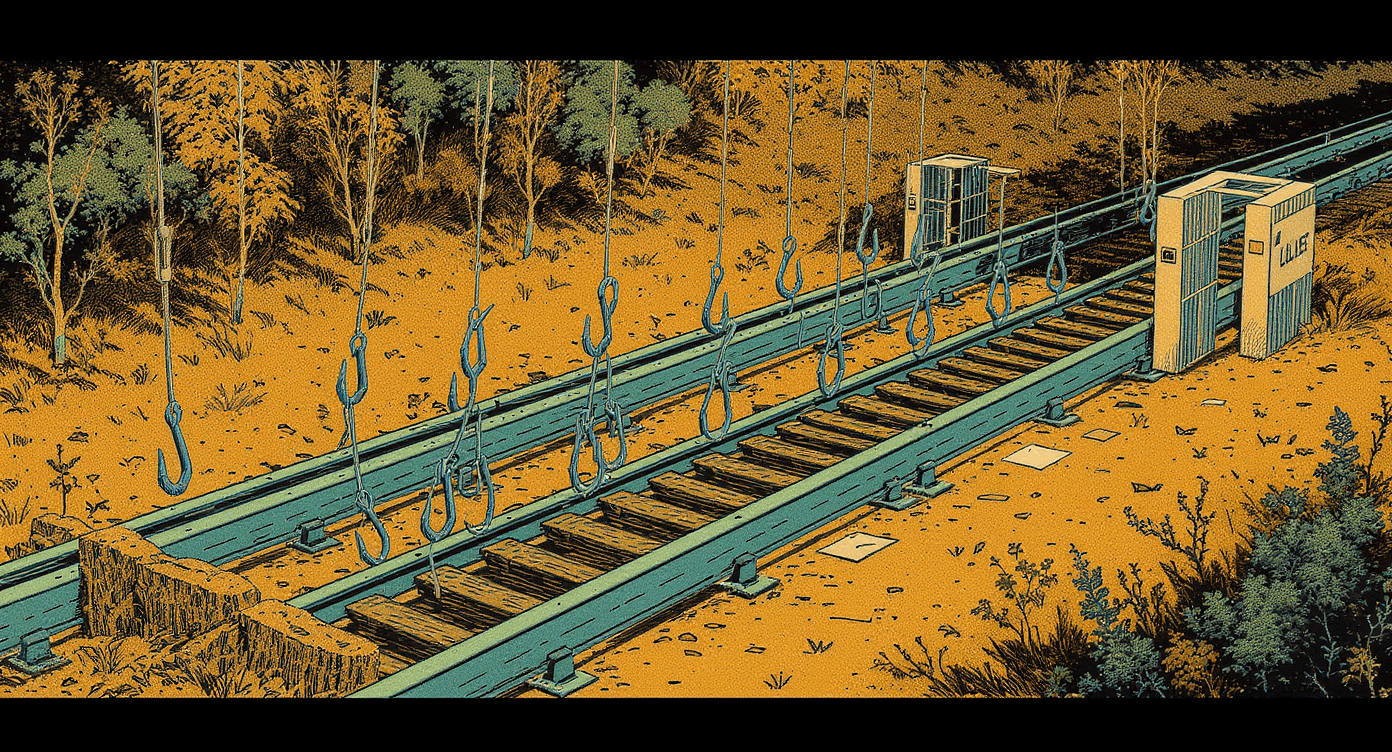
A hook changes the conversation. The agent no longer has to remember the rule perfectly. The workflow checks the rule at the moment it matters.
That can mean scanning a path before edits. It can mean blocking a risky command. It can mean forcing a handoff note before a session ends. It can mean writing a ledger entry when a task claims to be done.
The point is not that every rule needs automation. The point is that important rules need a place to live outside the model's current attention.
The operating layer is boring on purpose

The reliable parts of an agentic system look boring from the outside: trackers, ledgers, handoffs, review gates, blocked paths, and explicit status.
That is the point. A serious AI workflow should not depend on the model feeling inspired. It should make the correct next move easier and the dangerous move harder.
Use CLAUDE.md for context. Use skills for repeatable runbooks. Use MCPs for tools. Use subagents for isolated work. Use hooks and gates when a rule has to hold.
FAQ
Is CLAUDE.md still worth using?
Yes. CLAUDE.md is useful for project context, conventions, and preferences. It should not be the only place for rules that must be enforced.
What is the difference between a skill and a hook?
A skill is a repeatable runbook the agent can use. A hook is an enforcement point in the workflow. Use skills to teach a process and hooks to make critical checks happen.
What should move out of prose first?
Move rules that protect data, prevent destructive edits, require evidence, or force handoffs. If ignoring the rule creates real cost, it should not depend only on model memory.
Conclusion
CLAUDE.md is a good starting point. It is not the operating system.
The operating system starts when the workflow can enforce the rules that matter, record what happened, and recover when a session forgets, drifts, or claims too much.
Next move
Want me to audit your AI workflow?
Bring the messy agentic workflow, adoption bottleneck, or product process. I will help map what should happen, where it breaks, and what the system needs to record or review.
Talk about an AI workflowAbout the author

Related articles
Keep going
AI Coding Feels Magical Until The Project Gets Serious
AI coding breaks when the work needs memory, handoffs, evidence, review, and recovery. That is an operating-system problem.
The Best AI Model Should Not Do All The Work
Premium models should plan, decide, review, and escalate. Cheaper workers should handle bounded tasks that can be checked.